AI in Marketing: The Transformative Leap of 2026
The marketing industry is undergoing a seismic shift. In 2026, AI in marketing is not just a buzzword—it’s an essential driver of modern, results-driven marketing operations. As technology rapidly advances, marketers are leveraging AI to go beyond simple content generation, reshaping the way teams approach research, strategy, execution, and campaign management. The push for AI marketing automation is helping both B2B and B2C companies work smarter, eliminate manual bottlenecks, and scale their efforts in ways that were unthinkable just a few years ago.
Industry Trends: From Content Generation to Full-Funnel AI Workflow Automation
For years, the spotlight shone on AI's ability to generate blog posts, social media captions, and ad copy. But as marketing demands have grown in complexity and volume, the conversation has evolved. In 2026, the question is no longer “How can AI help me create more content?” but rather “How can AI automate my entire marketing operation from ideation to execution?”
AI as a Strategic Marketing Partner: Marketers now use AI to analyze markets, competitors, and audience behaviors at scale, allowing for smarter, data-driven decisions that shape campaign strategies.
Intelligent Research & Planning Tools: AI systems synthesize vast data sets to recommend campaign ideas, creative approaches, and content topics tailored for very specific customer segments.
End-to-End Workflow Integration: Instead of manual hand-offs between content creators, social media managers, and ad teams, AI-driven workflows seamlessly connect research, creation, scheduling, publishing, and post-campaign analytics—all in a unified ecosystem.
Personalization at Scale: With AI-powered automation, B2B and B2C brands can now create and publish hyper-relevant marketing messages across dozens of channels without sacrificing consistency or brand voice.
Practical AI Marketing Use Cases in 2026
1. AI-Powered Marketing Research and Strategy
Instead of spending days combing through analytics dashboards and running manual competitor audits, AI tools now provide marketers with real-time insights and actionable suggestions. For example, an e-commerce manager can use AI to:
Analyze seasonal shopping trends by region
Identify high-growth audience segments
Predict the next viral product or campaign format based on social listening data
Similarly, B2B agencies leverage AI-powered research assistants to automatically scan client landscapes, spot content gaps, and set up winning campaign strategies in a fraction of the time.
2. AI Content Creation and Repurposing
Content creation remains central to marketing—but the game has changed. AI now generates tailored blog outlines, emails, short-form videos, and ad copy, optimized for every audience and channel. With smart repurposing features, a single piece of thought leadership can instantly be reformatted as:
Social threads for LinkedIn and Twitter
Visual stories for Instagram and TikTok
Snackable video clips for YouTube Shorts
This not only increases content mileage but ensures brand consistency across global markets.
3. Multi-Platform Social Media Management and Automation
With the proliferation of social platforms and the rise of micro-communities, maintaining an always-on presence everywhere is daunting. In 2026, AI marketing tools now:
Automate account creation and setup across platforms
Recommend optimal posting times for each audience
Auto-publish platform-compliant content at scale
Monitor engagement and flag posts needing real-time responses
Optimize hashtags, captions, and creative assets dynamically
4. Connecting Content Creation with Publishing and Execution
The days of disconnected Excel editorial calendars and manual “copy-paste” publishing are over. AI now bridges the gap between content ideation, optimization, scheduling, and automated publishing—so marketers spend more time strategizing and less time clicking.
5. Reducing Repetitive Marketing Tasks
By automating account operations, daily reporting, and post/publish routines, marketers eliminate hours of manual work each week. AI ensures nothing falls through the cracks, even as marketing calendars get busier.
6. Boosting Efficiency and Scalability
With smart workflow automation, marketing teams can expand their reach, test new platforms, and confidently pursue multichannel growth—without burning out staff or sacrificing creative quality.
Why AI Social Media Automation Is Becoming Essential
Automating content creation is valuable, but in 2026, the true competitive edge comes from automating the entire marketing workflow. SaaS marketers, agencies, e-commerce brands, and creators all face similar pain points:
Maintaining dozens or hundreds of social accounts across global markets
Ensuring timely, consistent publishing and engagement
Matching content formats to each channel’s algorithm and audience
Scaling campaigns without ballooning headcount or losing control
AI social media automation meets these challenges head-on. Modern marketing teams now expect solutions that:
Remove repetitive, error-prone manual processes
Keep brand voice and compliance front and center, even at scale
Connect content creation, approval, and publishing in a single, streamlined workflow
Introducing TikSales: The Social Media AI Marketing Tool for End-to-End Automation
To meet the growing need for holistic AI marketing automation, solutions like TikSales are emerging as critical enablers for business growth in both B2B and B2C settings. TikSales is designed from the ground up to automate not just content creation, but the entire social media marketing operation—from ideation to ongoing execution.
TikSales Core Capabilities
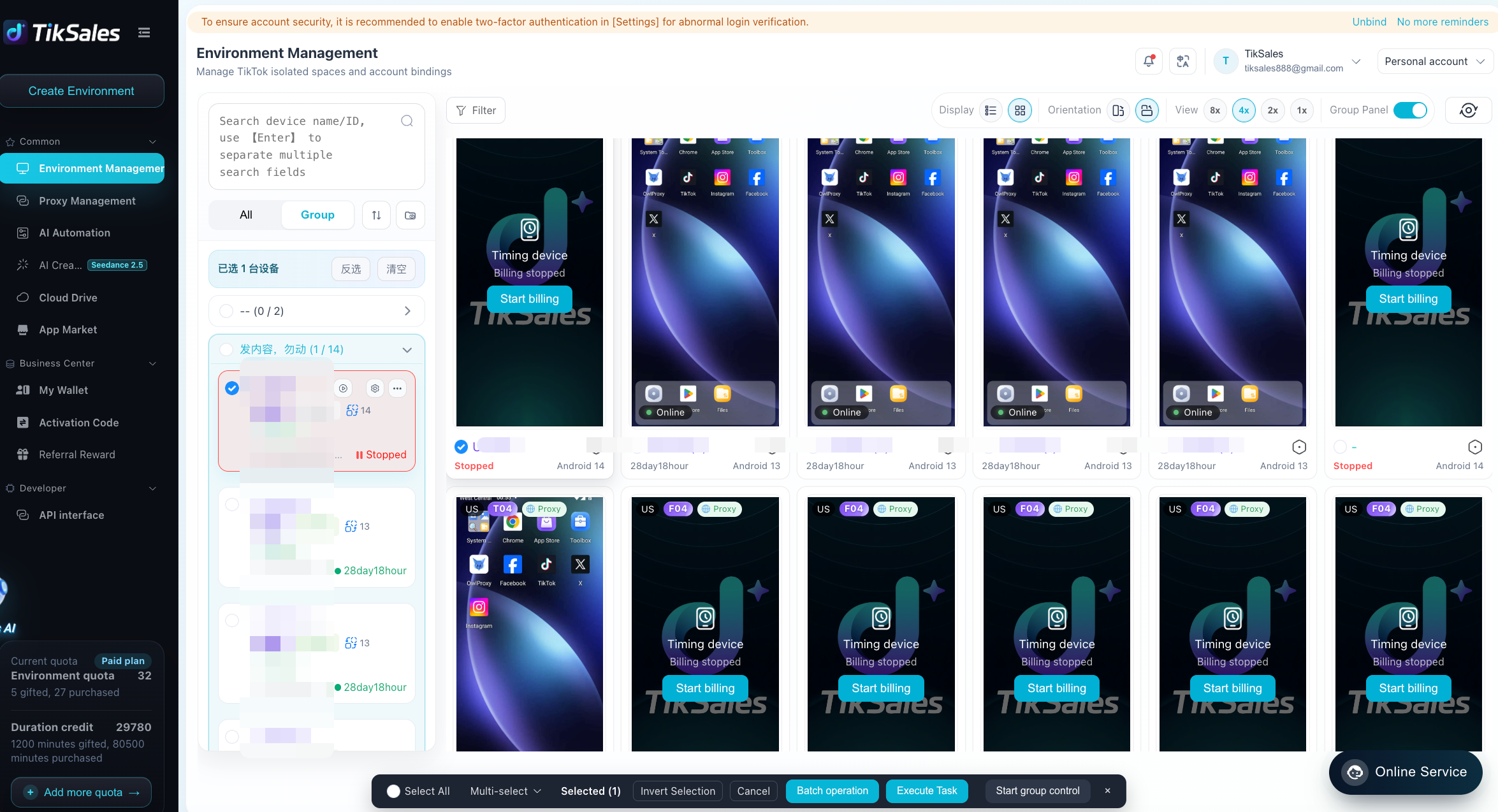
AI Social Media Automation: Automate repetitive social media operations like multi-account registration, setup, nurturing, password management, platform-compliant publishing, and ongoing account health checks across platforms including TikTok, Instagram, Facebook, Twitter, and Pinterest.
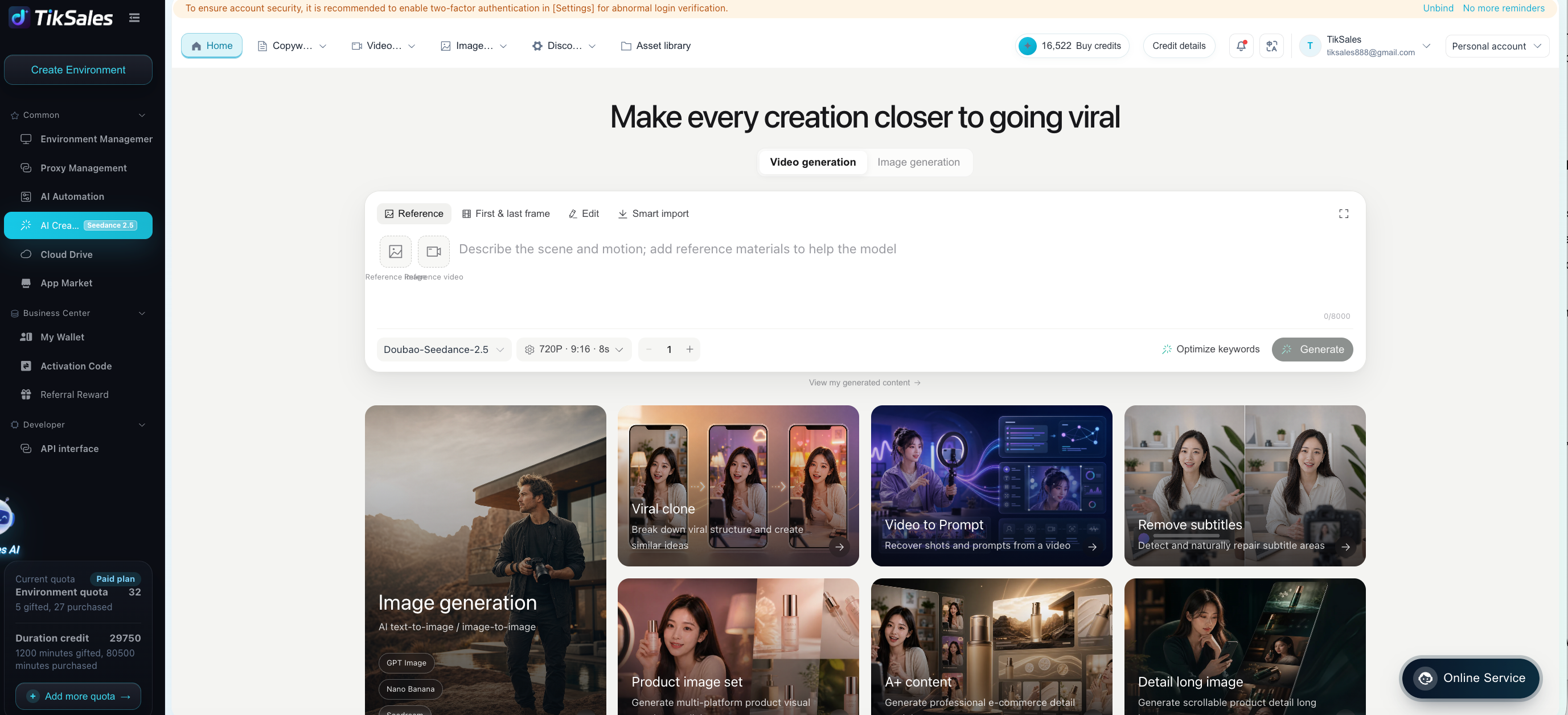
AI Content Creation Center: Generate social posts, marketing copy, campaign ideas, and tailored content variations that align with each platform’s style and algorithm.
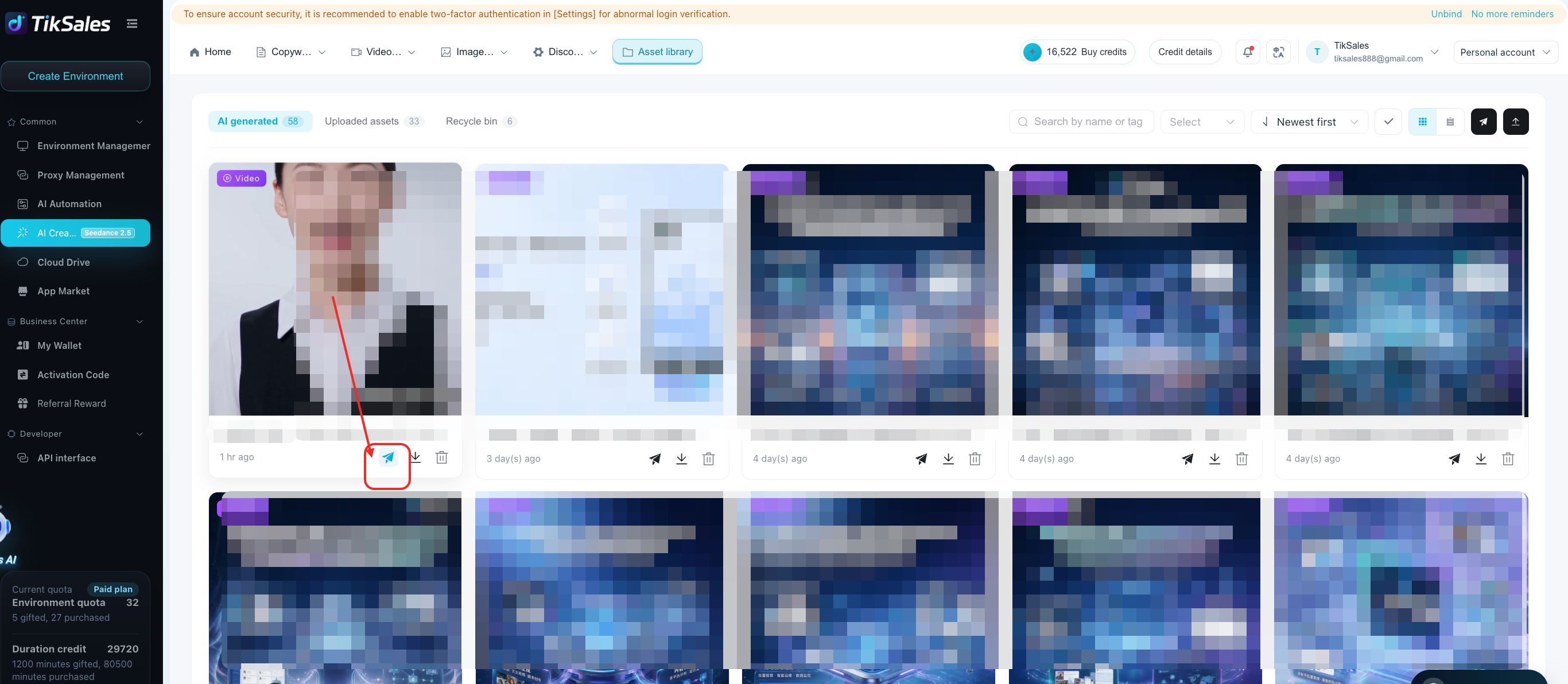
AI Content + Automatic Publishing: Seamlessly connect content ideation (AI writing, video scripts, hashtag selection) with automatic scheduling, multi-platform publishing, and ongoing content refresh cycles.
Multi-Account Security Management: Provide secure real-device environments for managing multiple social media accounts, with isolated account environments and anti-detection fingerprints to reduce account association risks and support long-term account stability.
The result: marketers can scale their brands’ presence and engagement across channels with dramatically less manual intervention, while ensuring consistency, compliance, and creative excellence.
The Future of AI Marketing: Endless Scalability and True Creative Focus
Looking ahead, AI will continue to push marketing teams toward creative, high-impact work by automating everything that is repetitive, manual, or process-driven. The next generation of AI marketing tools will empower a single marketer, agency, or brand to:
Operate campaigns across dozens of channels with minimal friction
Deliver hyper-personalized, always-on engagement at scale
Focus on ideation and strategy, instead of digital busywork
The winner in tomorrow’s landscape isn’t just the brand creating content fastest—but the one with the most seamless, AI-powered marketing workflow delivering consistent, measurable results.
Ready for Effortless AI Marketing Automation?
AI in marketing is evolving—don’t let legacy manual workflows hold you back. Whether you’re a SaaS startup, e-commerce brand, agency, or entrepreneur, TikSales makes it possible to automate your social media operations, generate platform-optimized content, and publish consistently across all your channels. If you’re ready to elevate your marketing workflow, reduce repetitive work, and scale your results in 2026, explore TikSales and see how true end-to-end AI marketing automation can work for your team.